
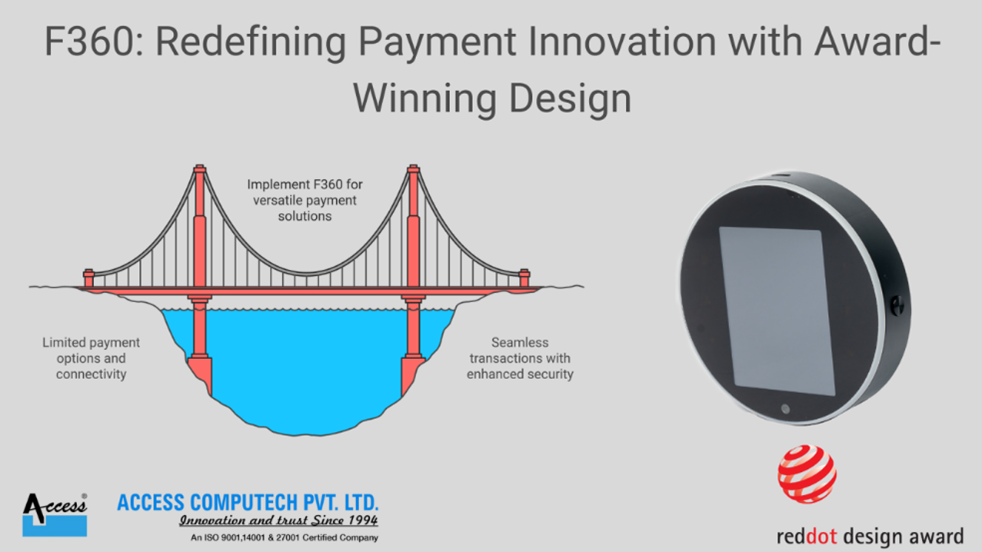
F360: The Most Innovative Solution for Payment Processing Home...
Read More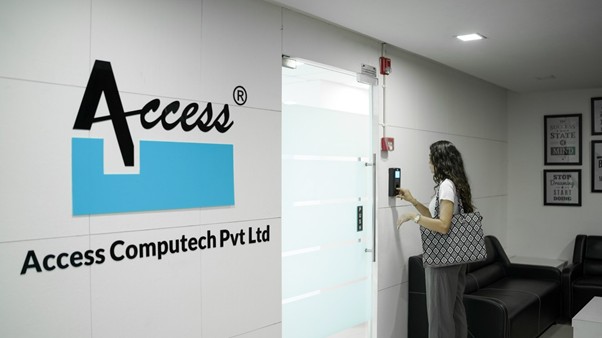
January 25, 2025 | Admin
This is why your company needs Smart Employee Attendance Systems
Is outdated employee attendance tracking slowing your team down? Save time with a smart system—because every second counts!
Managing employee attendance in a workplace, no matter the size, is no small task, as we’re sure you would agree. Things have greatly improved through the years in the way companies are now tracking employee attendance with the help of evolving technology, but there are still quite a few issues that business owners, managers, and HR face in this space.
Attendance tracking is not just a formality in the workplace. It has a deep-rooted purpose to understand your employees’ behaviour. Right from ensuring compliance with leave policies, measuring tardiness & absenteeism, to their overall compensation calculation, a smart attendance system can help you save countless man-hours.
And it’s not just management which benefits from these systems, your employees will thank you for having a smooth, automated, and easy-to-use attendance tracking system for them.
Let’s take a look at why these systems matter and how they can benefit everyone in the workplace.
POS systems are becoming more popular across businesses in India. They make managing payments, inventory, and transactions easier. But while they offer plenty of benefits, they also come with their own set of challenges. Whether you’re already using a POS system or considering one, it’s important to be aware of the potential issues. Let’s take a look at the key challenges businesses face and how you can deal with them.
1. Connectivity Issues
One of the most common problems with POS systems in India is poor internet connectivity. Slow or unstable internet can cause payment failures, delays, and frustration for both customers and staff. In some cases, transactions may not go through at all. A solution to this is to choose a POS system that works offline. Some systems allow transactions to be processed even without an internet connection, and the data can be synced once the internet is restored. Having a backup mobile hotspot or extra data connection can also help ensure smoother operations. 2. Security Concerns As digital payments become more common, security is a major concern for both businesses and customers. A breach of customer data can damage a business’s reputation and lead to significant legal consequences. POS systems store sensitive information, including credit card details, so it’s crucial that the system you choose is secure. Look for a POS system that uses encryption to protect customer data. It’s also important to train your staff to handle payment information carefully and follow best practices to minimise any risks. 3. Cost of the System The cost of POS systems can be a big hurdle, especially for small businesses. Aside from the initial price of the system, you also have to account for maintenance, software updates, and potential hardware upgrades. This can add up over time. However, there are more affordable options available. Many POS providers offer flexible pricing models, such as cloud-based systems that don’t require expensive hardware. Some even have rental models, so you don’t need to pay a large upfront cost. It’s important to view the system as an investment while the initial cost may seem high, it can help streamline your business and improve efficiency in the long run. 4. Integration Challenges Many businesses use multiple software tools to handle things like accounting, inventory, and customer management. If your POS system can’t integrate with these other tools, you could end up with errors, duplicated data, and extra work. When choosing a POS system, make sure it integrates well with the software you already use. This will save time, reduce mistakes, and improve overall efficiency. Many modern POS systems offer seamless integration with popular tools, so this should be a priority when making your decision. 5. Customer Support When something goes wrong with your POS system, you need quick and reliable support. Unfortunately, not all POS providers offer the level of service you need. Delays or poor customer support can make a frustrating situation even worse. Before committing to a POS system, check the quality of their customer support. Does the provider offer 24/7 support? Are their staff knowledgeable and helpful? Good customer support can make all the difference when you need assistance, so it’s worth making sure you’ll be well taken care of. 6. Training Your Team Getting your team familiar with a new POS system can be time-consuming, especially if the system is complicated. It’s easy to see how mistakes or delays could occur if your staff isn’t properly trained, and this can affect your business operations and customer experience. To avoid this, choose a POS system that’s user-friendly and easy to learn. You’ll also want to invest a little time in training your staff. A brief training session can help ensure your team feels confident using the system and will make day-to-day operations run more smoothly. 7. Hardware Failures POS systems rely on hardware, and sometimes, things can break down. Card readers may fail, printers may jam, or cash drawers can get stuck. These issues can cause delays and disrupt your operations, especially during busy hours. The best way to avoid these problems is to choose a POS system with reliable hardware. Make sure the equipment is durable and backed by a warranty. It’s also a good idea to have a maintenance plan in place and keep some spare parts on hand, so you can address any issues quickly. 8. Keeping Up with Regulations In India, tax and payment regulations can change regularly, and if your POS system isn’t updated to reflect these changes, you could run into compliance issues. This can lead to fines or legal complications, which you obviously want to avoid. To stay on top of this, choose a POS provider that offers regular software updates to ensure compliance with the latest regulations. This way, you won’t have to worry about missing important changes and can focus on running your business.
Transition from outdated attendance methods to smart systems
Top benefits for Employers, Managers, and HR:
More efficient, more accurate
These smart attendance systems are a game-changer for employers everywhere. These systems minimize human error to almost zero and completely eliminate unethical practices such as proxy or buddy punching (where an employee can clock in for another by entering their pass-code or signing on the register). All of this while maintaining highly accurate employee attendance records. This data is stored in the system and can be easily retrieved by management for tracking, payroll, and leave calculation in real-time.
Real-Time Monitoring and Reporting
Advanced employee attendance tracking systems like the VIGIL PROX allow very easy real-time data transfer via TCP/IP protocol, making it more streamlined for management to monitor employee attendance remotely. VIGIL PROX’s contactless smart card reader works seamlessly with online data transfers, providing accurate time management and supporting both indoor and outdoor installations. By allowing remote access to attendance data, it becomes easier for managers to track attendance trends and address any issues, such as absenteeism, early departures, or late arrivals.

Importance of accurate attendance tracking
Flexibility for Different Work Environments
As more companies adopt flexible, remote, and hybrid working policies, cloud-based attendance systems are becoming more of a ‘need’ than simply a ‘want’. Smart systems that support remote check-ins allow employees to log their work hours from different locations, reducing friction for those who may not be working at the office every day. This setup also enables companies to manage workforce attendance for field employees or those at different sites, creating a more inclusive full-scope attendance management system.
Top Benefits For Employees:
A Simpler, Easier Process
Gone are the days of manually logging time in a register or swiping a punch card. This is the era of forward-thinking tech. And having such technology in your workplace creates a positive impression among your workforce. If your employees can use biometrics (such as fingerprint) or smart cards to register their attendance in seconds, why rely on outdated methods?
This ease of use saves a lot of time and minimises wait times during the peak hours (reporting time and leaving time), making it especially helpful in large organisations and busy or fast-moving work environments such as factories and warehouses.
One popular solution in this space, FP 900, offers both fingerprint and smart card authentication, providing employees with quick, touchless access to work premises. With a powerful optical fingerprint sensor, FP 900 ensures accurate and secure attendance tracking. Its robust memory can store up to 10,000 user templates, so employees’ information is safely stored and easily accessible.
Much Better Privacy and Security
Biometric systems offer a more secure way to handle access and attendance, as they rely on unique identifiers like fingerprints rather than passcodes or badges, which can be easily lost or shared. This adds a layer of security that protects employees’ data and contributes to overall workplace safety. Employees as well as employers can rest easy by knowing that only authorized individuals can access certain areas, which can be particularly important in industries dealing with sensitive information, such as finance, research, and IT.
Supporting Regulatory Compliance and Transparency
Under the Employees’ Provident Funds and Miscellaneous Provisions Act, 1952, employers In India are required to maintain records of salary and attendance for a minimum period of five years.
Our country’s labour laws also require businesses to maintain accurate attendance records. Smart attendance systems help ensure compliance by automatically generating time logs, which are valuable during audits or legal checks. These detailed reports also aid in building transparency in employee attendance, thereby creating a culture of trust between employees and employers.
With the FP 900 and VIGIL PROX systems, companies can effortlessly maintain records, monitor working hours, and generate reports with ease. FP 900, for instance, features customizable Wiegand formats, allowing companies to tailor the data output to meet specific regulatory or internal needs.

Benefits of smart attendance systems for remote and flexible work
A Future-Ready Investment for Companies
As Indian workplaces continue to evolve, smart employee attendance systems are a valuable investment. They simplify HR processes, reduce errors, and enhance workplace security, all while creating a more streamlined experience for employees. For companies, smart attendance systems like VIGIL PROX and FP 900 will not only improve productivity but also adapt easily to future changes in workforce management.
Related Posts

Transforming Rural India: The Impact of Aadhaar
Transforming Rural India: The Impact of Aadhaar Enabled Payment...
Read More
This is why your company needs Smart
This is why your company needs Smart Employee Attendance...
Read More